



How Connection and Community Became The New Currency of the 2020s
In Brief
In an era of infinite choice and collapsing trust, people are no longer buying products — they’re buying places to belong.
The institutions that once gave life meaning — church, nation, workplace, even family — have lost their gravitational pull. Into that void has rushed a new force: community as identity.
The result is a seismic reordering of markets: we’ve moved from mass consumption to micro-communities.
From “What do you own?” to “Who are you with?”
From audiences to alliances.
This is The Belonging Economy — where shared belief becomes the new brand, and connection the ultimate product.
For brands, this isn’t a marketing opportunity. It’s a survival strategy.
Because in a lonely economy, belonging is the only thing people still pay a premium for.
Category
Culture / Brand / Society / Consumer Behavior
Region: Global (US, UK, Europe, Asia, Nordics)
Topic: Community, Identity, Meaning, Trust
Context — The Collapse of Common Ground
For most of the modern era, identity came pre-installed.
Religion told you what to believe, governments told you who you were, employers told you what you did.
That scaffolding has fallen.
Today, identity is a DIY project.
People construct who they are from digital fragments: playlists, purchases, causes, creators, and communities.
Algorithms don’t just serve content — they serve companionship.
But this personalization comes at a cost: loneliness.
The paradox of the hyperconnected age is emotional disconnection. We scroll endlessly yet belong nowhere.
So humans are doing what humans always do — they’re building tribes.
Not around geography or bloodline, but around shared signals of meaning.
From CrossFit boxes to K-pop fandoms, crypto DAOs to skincare communities, the 2020s have turned belonging into both an emotional need and an economic engine.
The social contract has fractured.
The cultural contract — belonging through belief — has taken its place.
Signal — What’s Happening
- Trust vacuum: Only 46% of people globally trust traditional institutions (Edelman Trust Barometer, 2025).
- Community commerce: 78% of Gen Z consumers say they “prefer brands that build community around shared values” (GWI, 2025).
- Fandom formalized: The global “fandom market” — monetized communities built around creators, games, or brands — exceeded $80 billion in 2024.
- Platform migration: People are leaving public social media for smaller, purpose-based spaces (Discord, Geneva, Circle, Reddit micro-forums).
- Belonging as wellbeing: Loneliness is now classified as a public health crisis in over 20 countries. Connection is the new wellness frontier.
- Brand tribes: From Nike’s running clubs to LEGO’s co-creation network, the most resilient brands act more like social movements than corporations.
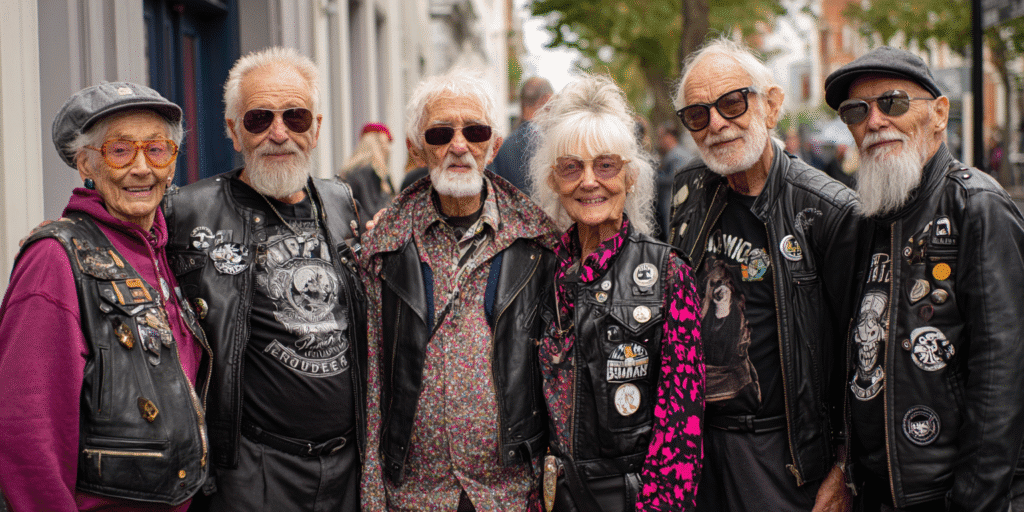
Relevance — Why It Matters
We are moving from a consumption economy to a coherence economy.
People don’t just want new things; they want a new sense of we.
For decades, marketers optimized for attention.
Now, attention without belonging is meaningless.
Belonging delivers what algorithms can’t: continuity, credibility, community.
It’s the new emotional infrastructure of culture — and the new competitive advantage for brands.
For agencies and creators, this shift transforms how ideas scale.
The audience isn’t a target anymore; it’s a participant.
The goal isn’t reach — it’s resonance.
Because the real ROI of brand building today is Return on Identification.
Insight — What It Means
The Belonging Economy reveals a profound cultural truth:
People don’t want to consume more. They want to connect deeper.
Fandom was the symptom; belonging is the system.
What started with entertainment and influencers has now infected every category — from finance to fashion to fitness.
When trust in systems collapses, humans seek smaller circles of certainty.
They find it in micro-communities that offer three things modern life doesn’t:
- Identity — who am I here?
- Meaning — why does this matter?
- Recognition — who sees me?
These micro-identities are now the fundamental units of cultural organization.
And they don’t just influence behavior — they define it.
For brands, this means your community is your moat.
If you don’t build belonging, someone else will — and they’ll take your customers with them.

Shift — What’s Changing
- From audience to community: Attention ≠ allegiance. Participation is the new engagement metric.
- From communication to connection: Messaging loses power; mirroring wins — reflecting values, not dictating them.
- From product to platform: The product becomes the gathering point for shared identity.
- From loyalty to love: Emotional attachment replaces rational preference.
- From brand storytelling to community mythmaking: Every campaign becomes a chapter in a shared narrative.
Belonging is no longer a side effect of brand success.
It’s the precondition.
Opportunities — Where to Build Advantage
1. Design for Emotional Infrastructure
Don’t sell to audiences; architect spaces for tribes.
- Strategist: Map the emotional ecosystem — who your people are, what holds them together, what threatens that bond.
- Creative Director: Build “worlds,” not “campaigns” — cultural universes people can enter, shape, and share.
- Design Director: Create recognizable identity systems — badges, emojis, physical symbols of shared meaning.
- Copywriter: Write language people use to identify themselves — names, inside jokes, mantras.
- Brand Insights: Use anthropology, not analytics — observe rituals, not just reactions.
- Innovation: Create membership or participation layers — exclusive forums, co-creation access, shared ownership models.
2. From Brand to Belief
Belonging follows belief — and belief needs clarity.
- Strategist: Articulate your brand’s belief system: what it stands for, and what it stands against.
- Creative Director: Tell stories that invite alignment, not admiration.
- Design Director: Build consistent sensory codes (colors, icons, typography) that symbolize conviction.
- Copywriter: Speak with principles, not platitudes. People join boldness, not blandness.
- Marketing & Comms: Lead with cause and conviction — give your community a flag to wave.
- Innovation: Create products or experiences that reinforce belief through behavior — use equals belief.
3. Monetize Meaning
Belonging isn’t free — it’s valued.
- Strategist: Build membership economies — where access, not volume, drives revenue.
- Creative Director: Design drops, experiences, and rituals that reward engagement, not just purchase.
- Design Director: Craft the visual markers of inclusion — wearable, shareable, identifiable.
- Copywriter: Make language that signals insider status — “you’re one of us.”
- Marketing & Comms: Celebrate contribution — spotlight community stories.
- Innovation: Explore co-owned ventures, DAOs, and creator partnerships that let communities share in success.
The Bottom Line
We’ve entered the era of participatory identity.
People no longer just buy what you make — they become who you help them be.
The new social contract of commerce is simple:
I belong, therefore I buy.
The Belonging Economy will define the next decade of branding, marketing, and culture.
It’s not about creating followers — it’s about creating fellowship.
Because in a world drowning in information, the rarest thing left to find is each other.
